Shanghai's most recognizable landmark, the Oriental Pearl Tower, has defined the Pudong skyline since 1994. At 468 meters tall with its distinctive pink spheres, this observation tower offers 360-degree city views, a glass-floor skywalk, and a deep dive into Shanghai's past through its ground-level museum.

Oriental Pearl Tower: Quick Overview

Ground floor view of Oriental Pearl Tower, Shanghai, with garden path and modern architecture.
  • Address: No. 1 Century Avenue, Pudong New Area, Shanghai 200120, China
  • Recommended duration: 2 to 3 hours
  • Timings: 8am to 9:30pm daily (last entry 8:30pm)
  • Visitors per year Approximately 5 million
  • Number if entrances: 1 main entrance (south side, facing Century Avenue)
  • Expected wait time - Standard: 15-60 minutes (weekdays); 1-3 hours (weekends/holidays)
  • Expected wait time - Skip the line: 5-15 minutes (security only; elevator wait still applies)

Did you know?

The Oriental Pearl Tower’s design was inspired by a Tang Dynasty poem, with its 11 spheres representing pearls falling onto a jade plate.

At 468 meters, it was China’s tallest structure until 2007 and remains one of the world’s most distinctive TV towers.

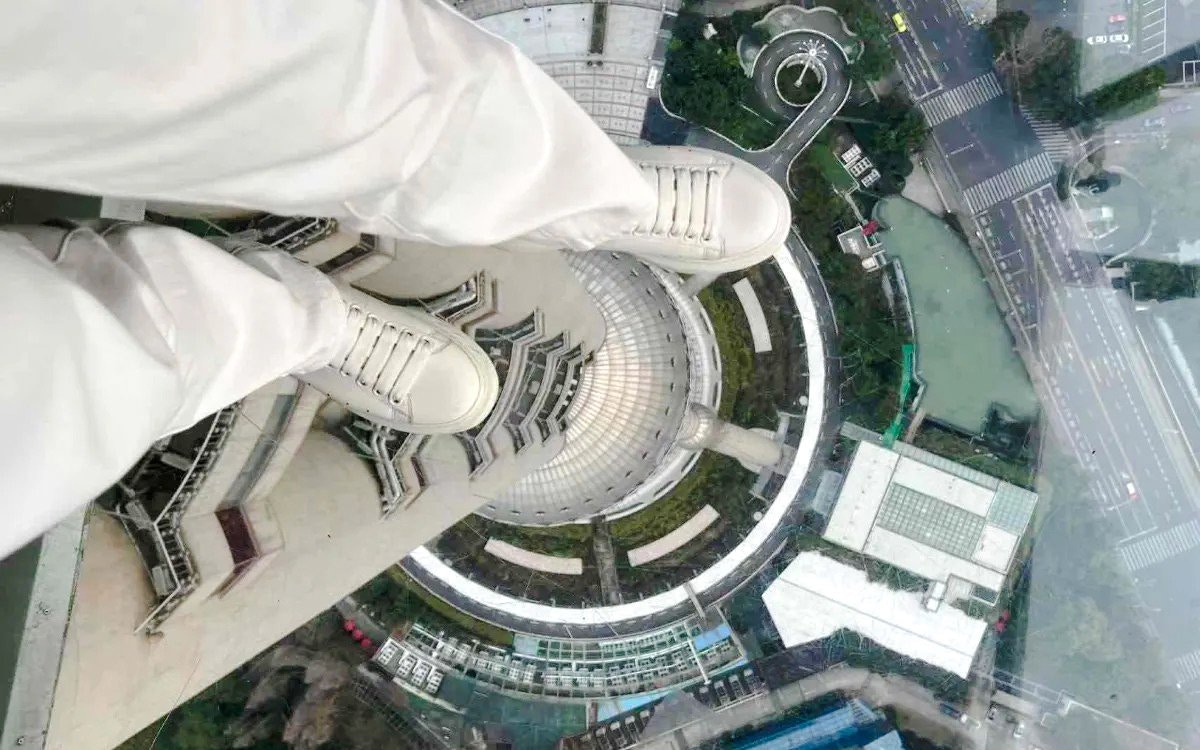
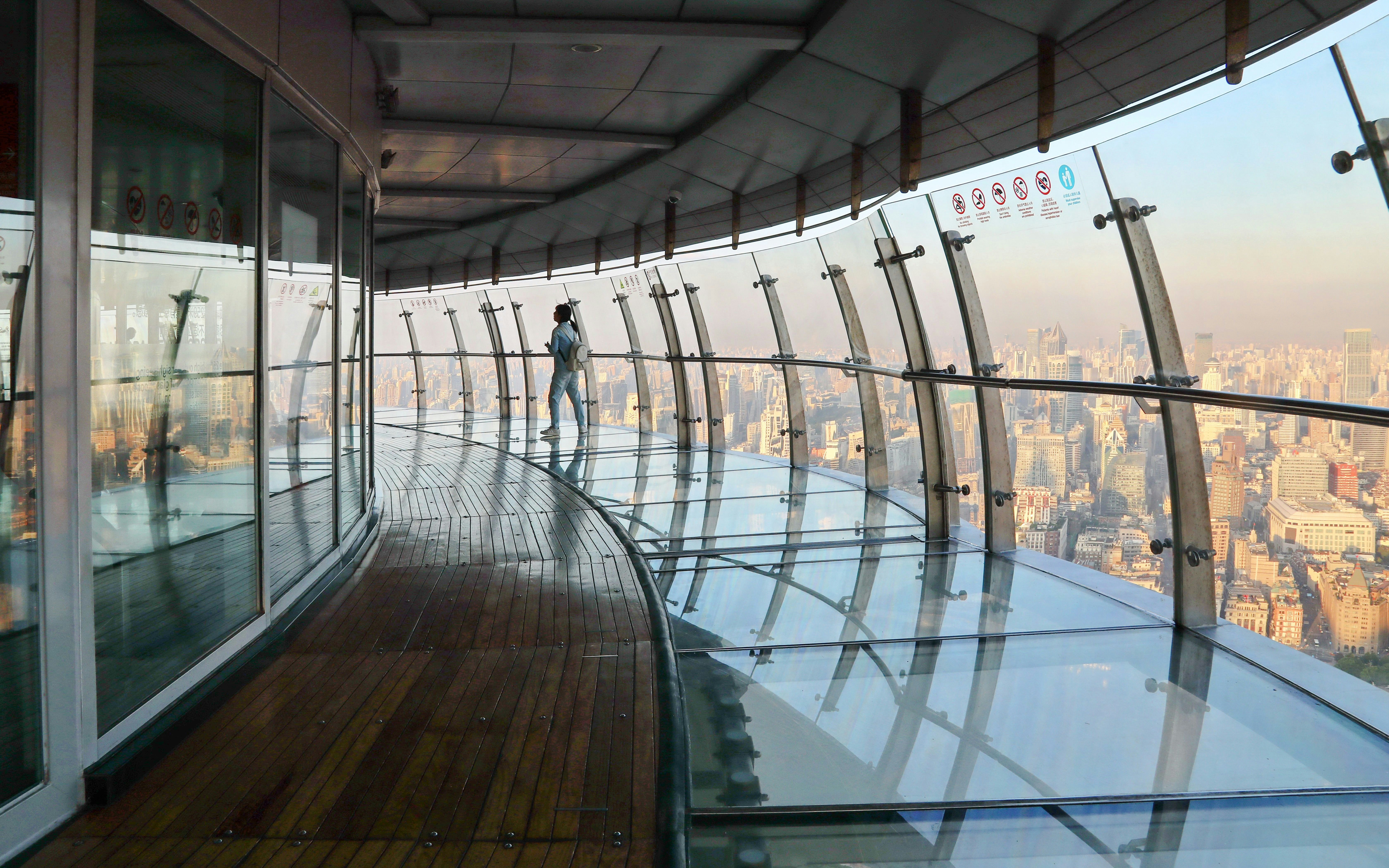
The 259-meter glass skywalk was China’s first 360-degree transparent observation corridor, with each glass panel supporting several tons.

Why Is the Oriental Pearl Tower a Must-Visit Attraction?

Step inside Shanghai's most photographed building and you'll understand why 5 million visitors ascend this futuristic tower every year. The Oriental Pearl Tower delivers what few observation decks can: a complete contrast between old and new Shanghai visible in a single 360-degree sweep. From the 263-meter main deck, watch colonial-era Bund architecture meet Pudong's glass skyscrapers across the Huangpu River. The perspective makes Shanghai's transformation from fishing village to megacity tangible in a way ground-level views cannot.

Unlike towers that offer only height, the Oriental Pearl packages multiple experiences under one ticket. The 259-meter glass floor sends adrenaline through first-timers who brave walking on air. Below ground, the Shanghai History Museum recreates 1920s street scenes with wax figures and scale models—a rare cultural depth for an observation tower. This combination lets you see modern Shanghai from above, then understand how it got here through immersive exhibits spanning 10,000 square meters.

The tower's design itself is architecture worth experiencing. Architect Jiang Huancheng's 11 spheres create an instantly recognizable silhouette that has symbolized Shanghai's modernization since 1994. Time your visit for late afternoon and you'll catch three shows in one: daylight city views, sunset over the Huangpu, and the nightly LED light display that turns the spheres into glowing orbs visible across Shanghai. For first-time visitors especially, the Oriental Pearl Tower condenses Shanghai's past, present, and skyline into a single 2-hour experience no other attraction matches.

What to See at the Oriental Pearl Tower

Observation deck view at Oriental Pearl Tower, Shanghai, with city skyline in the background.
View from Oriental Pearl Tower observation deck, Shanghai, looking down at city streets.
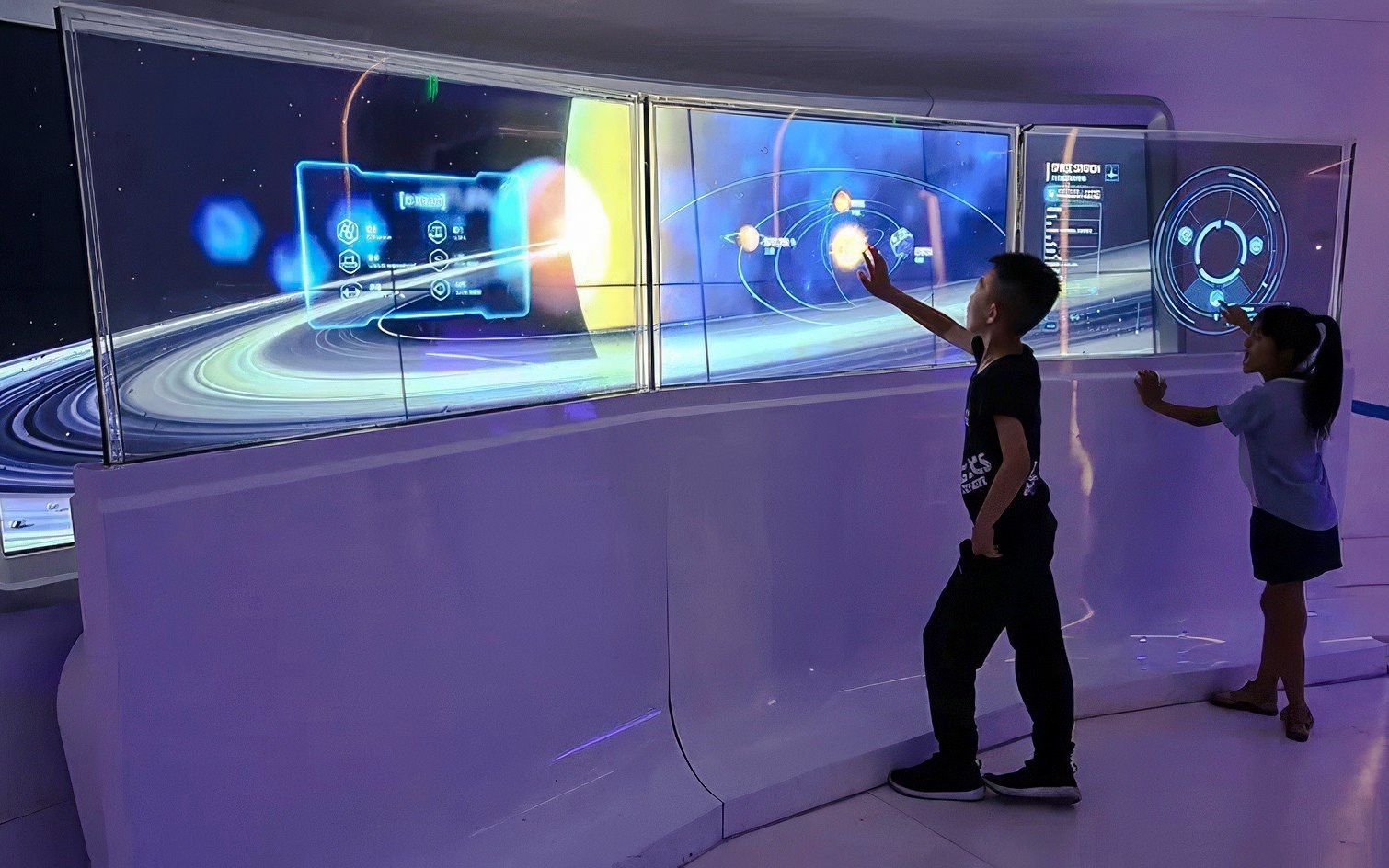
Children engaging with space exhibit at Oriental Pearl Tower, Shanghai.
Woman using audio guide on phone in a museum.
Buffet spread at revolving restaurant, Oriental Pearl Tower, Shanghai, with chefs and diners.
Woman viewing Shanghai skyline from Oriental Pearl Tower observation deck.
Shanghai Urban History Development Exhibition Hall display with Oriental Pearl Tower view.
1/7

263-Meter Main Observation Deck

Floor-to-ceiling windows circle the tower's largest sphere, offering unobstructed 360-degree panoramas. On clear days, you'll spot the bend of the Yangtze River in the distance. The Jin Mao Tower, Shanghai Tower, and historic Bund buildings spread below like a scale model. Telescopes line the windows. Souvenir shops and a small cafe occupy the center.

259-Meter Glass Skywalk

Walk across 150 meters of transparent floor panels looking straight down 850 feet to the streets of Lujiazui. China's first glass observation corridor remains thrilling 15 years after opening. Reinforced laminated glass panels each support several tons. A solid-floor perimeter path exists for those uncomfortable stepping onto the glass. Most visitors spend 15 minutes here overcoming nerves and taking photos.

351-Meter Space Capsule

The highest accessible point sits in the tower's top sphere. Futuristic "space cabin" theming creates an exclusive atmosphere. Views extend to the horizon, though landmarks like the Bund appear distant from this height. Limited capacity means smaller crowds than lower levels. Access requires the premium Three-Ball ticket. The compact deck accommodates quick visits—most people stay 10 minutes for photos and panoramic scanning.

Shanghai History Museum (Ground Level)

Over 10,000 square meters of exhibits recreate old Shanghai through wax figures, scale models, and immersive dioramas. Walk through 1920s-1930s street scenes with period shopfronts, colonial banks, and vintage trams. The 1:50 scale model of the Bund shows the waterfront as it appeared during Shanghai's golden age. Audio guides available in multiple languages. Typically visited at tour end, taking 45-60 minutes.

267-Meter Revolving Restaurant

Dine while the floor completes a 360-degree rotation every 90 minutes. Buffet service offers mix of Chinese and international dishes. Window seats provide uninterrupted skyline views throughout your meal. Reservations required, especially for dinner slots at 5pm or 7:30pm when you can watch day turn to night. The rotation is so gradual you barely feel movement.

90-Meter Outdoor Observation Platform

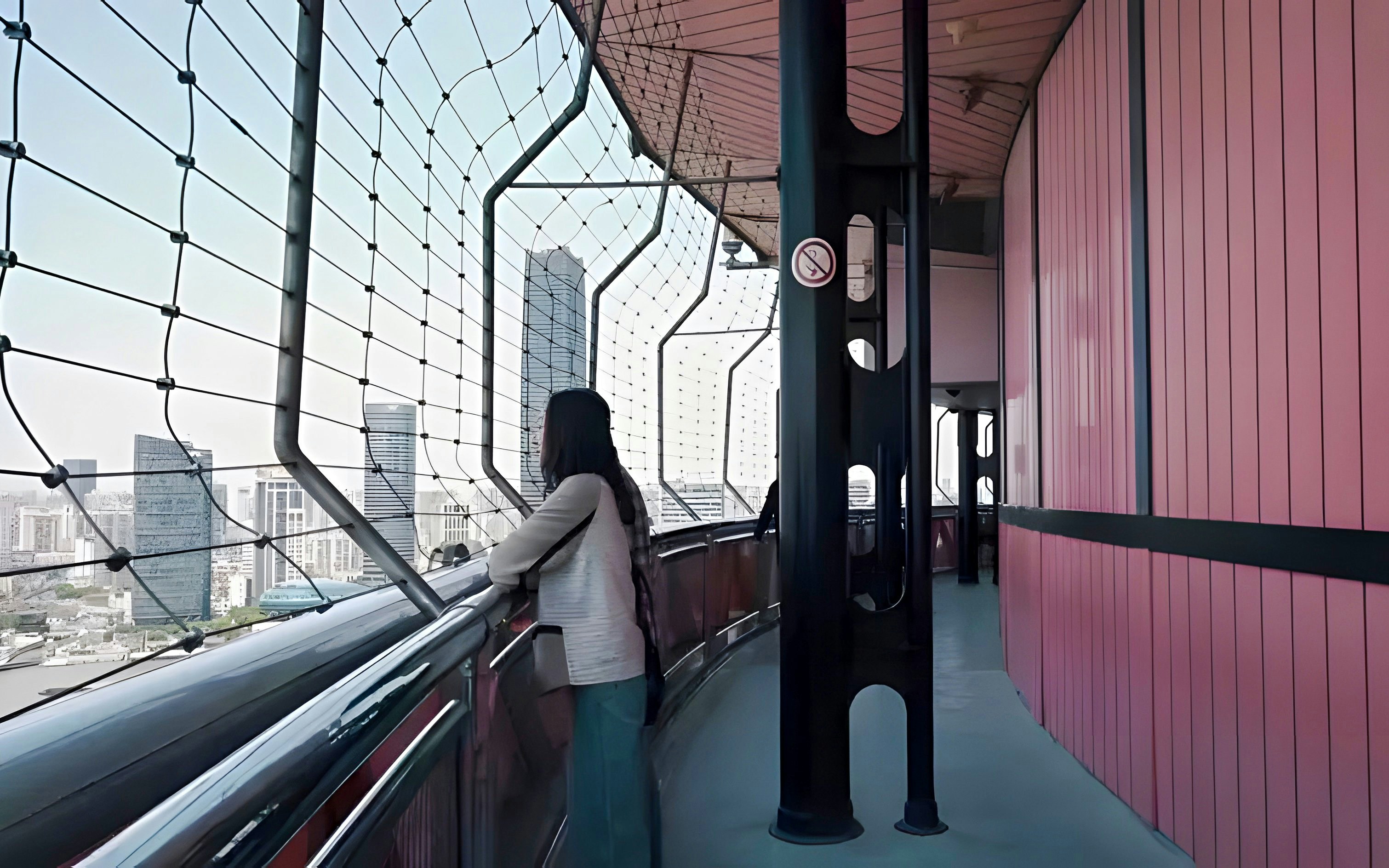
Open-air deck with wire mesh safety barriers offers breeze and "outdoor" height experience. Less crowded than enclosed upper levels. Views are lower-angle but include nearby street activity and Lujiazui pedestrian traffic. Popular quick stop for fresh air between ascending and descending. Photography possible through mesh—brings different perspective than higher glass-enclosed decks.

78-Meter Multimedia Show

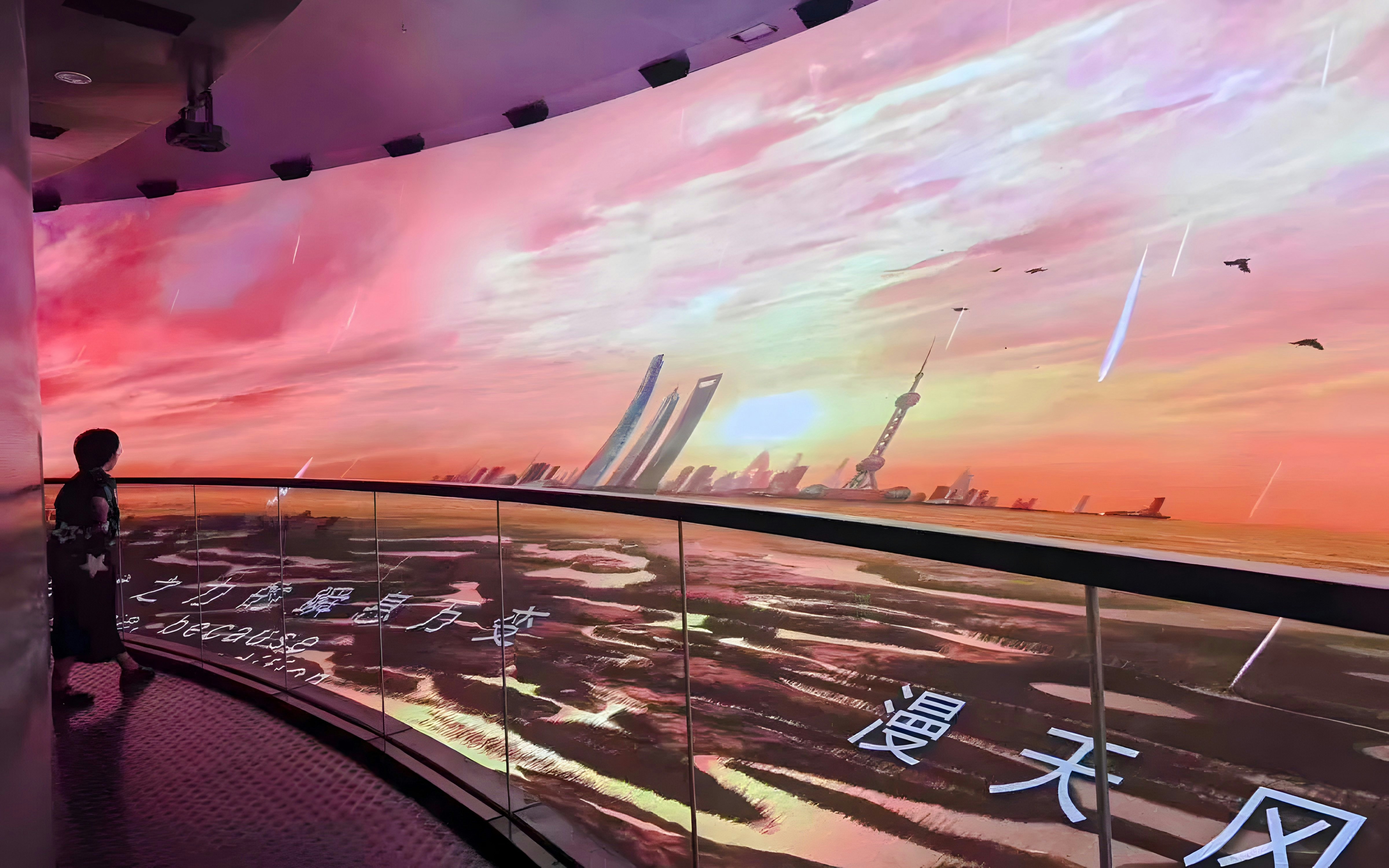
Revolving floor creates immersive "More to the Sea" projection experience. VR-style visuals surround you as the platform slowly rotates. Can cause dizziness for some visitors—solid-floor sections available. Included with standard admission. Brief 10-minute experience adds variety to elevator journey up or down.

Brief History of the Oriental Pearl Tower

Construction began in 1991 as part of Pudong's transformation from farmland to financial district. Designed by Jiang Huancheng of East China Architectural Design Institute, the tower's distinctive pearl spheres drew inspiration from Bai Juyi's Tang Dynasty poem about pearls falling onto jade. The design symbolized Shanghai's rising importance in modern China.

The tower topped out at 468 meters in 1994, becoming China's tallest structure and Asia's third tallest. It opened to the public on October 1, 1994—China's National Day—and immediately became Shanghai's most photographed landmark. For 13 years until 2007, it remained China's tallest, when the Shanghai World Financial Center surpassed it.

Beyond observation, the tower housed China's first revolving restaurant at this height and pioneered the glass-floor concept that later spread to towers worldwide. In 2001, it became Shanghai's first AAAAA National Tourist Attraction. By September 2024, the tower had welcomed its 100 millionth visitor across nearly 30 years of operation.

Who Built the Oriental Pearl Tower?

The East China Architectural Design Institute, led by chief architect Jiang Huancheng, designed the Oriental Pearl Tower. Jiang conceived the ascending pearl spheres concept, translating ancient Chinese poetry into modern architecture. The Shanghai Modern Architectural Design Group handled engineering. Construction took three years from 1991 to 1994 under the Shanghai Municipal Government's Pudong development initiative.

Architecture of the Oriental Pearl Tower

The tower rises 468 meters from a triangular base, supported by three massive columns. Eleven spheres of varying sizes ascend along the columns, representing pearls from classical poetry. The two largest spheres—50 meters and 45 meters in diameter—house the main observation decks and revolving restaurant. The smallest sphere at the spire caps the antenna.

Three observation levels at 90, 263, and 351 meters serve different purposes. The 263-meter deck occupies the 50-meter sphere, providing the main viewing area. A 259-meter transparent corridor became China's first glass-floor observation experience. The 351-meter Space Capsule offers the highest accessible point.

Construction used reinforced concrete for the base and steel lattice for the tower body. The distinctive pink-purple spheres use steel frames covered in reflective panels. LED lights installed in 2010 allow programmable displays that illuminate the spheres in rotating patterns nightly. The design's futuristic aesthetic made it instantly recognizable and helped rebrand Shanghai from historic port to modern metropolis.

The Oriental Pearl Tower as a Broadcast Facility

While famous as an observation tower, the Oriental Pearl serves its original purpose as Shanghai's primary radio and television broadcast tower. The 118-meter antenna spire transmits signals across the Yangtze River Delta. Multiple broadcast facilities occupy technical floors between the observation levels.

The tower's full name—Oriental Pearl Radio & Television Tower—reflects this dual function. When it opened, it centralized Shanghai's television broadcasting, previously scattered across smaller towers. Today it continues transmitting alongside newer digital platforms, though its cultural significance as a tourist landmark has far surpassed its technical role in public consciousness.

Frequently Asked Questions about Oriental Pearl Tower

Plan 2 to 3 hours for the standard experience covering observation decks and the museum. Add 90 minutes if dining at the revolving restaurant. Visitors doing only the main deck and glass floor sometimes complete tours in 90 minutes, but this feels rushed and skips the museum. Queue times during peak periods can add 1 to 2 hours to your visit.